From sea to shining sea, America’s national parks are full of awe-inspiring landscapes and natural phenomena. Here are six to consider when planning your next vacation.
With more than half the states in America boasting a national park, you are likely never too far from being able to visit one. In fact, 13 states are currently home to more than one national park.
Below we’re highlighting an eclectic list of parks, including one that opened in the late 1800s, another that’s found in the farthest corner of the country, and a few that may turn fly-over states into vacation destinations.
Yellowstone
Wyoming, Montana, Idaho | established 1872
What list of must-see national parks would be complete without Yellowstone?
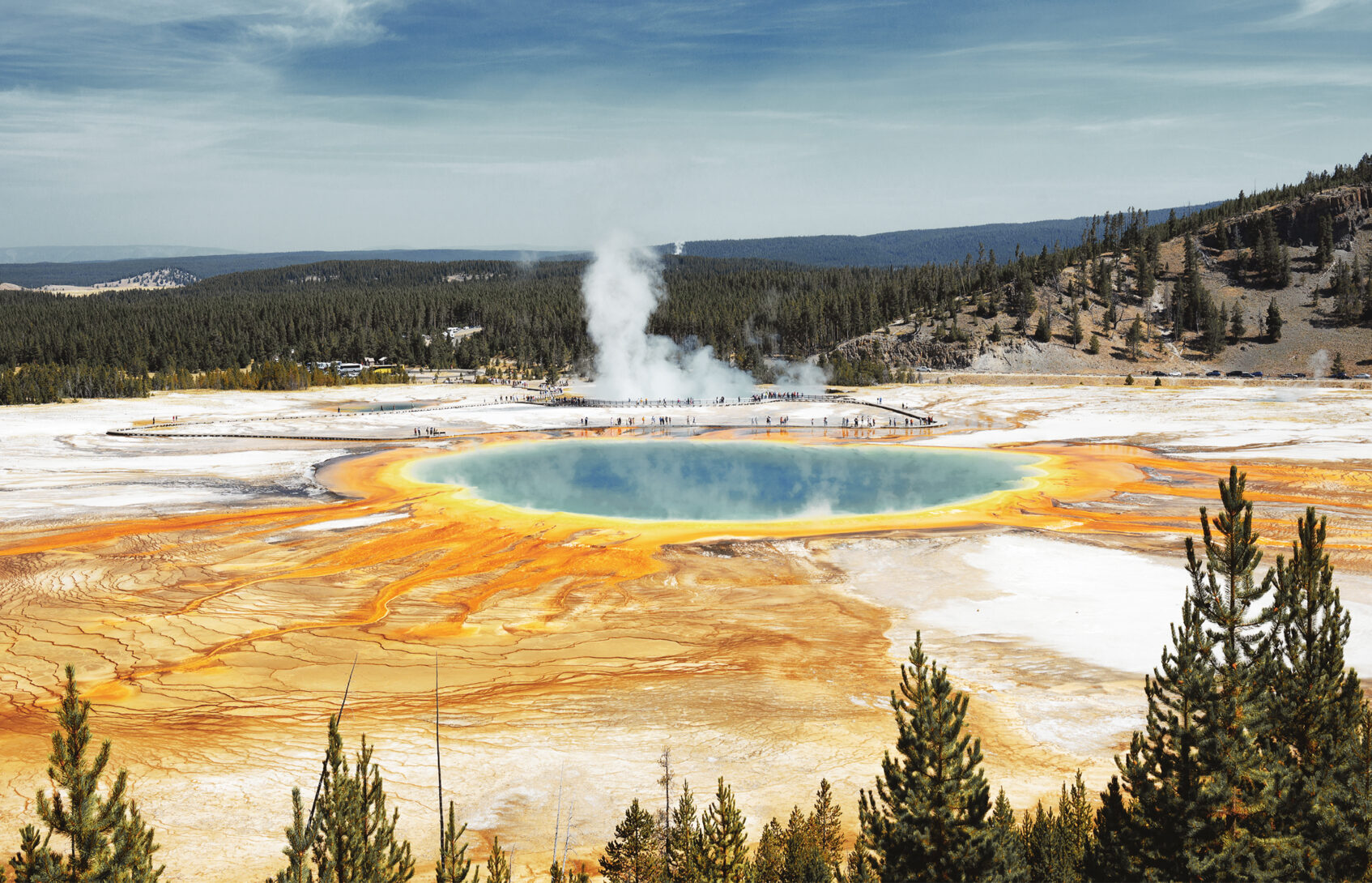
Nearly 150 years before it became the setting of a hit drama series spawning a handful of spinoffs, Yellowstone was established as America’s first national park. Not only is it one of the largest national parks, but all these years later, it’s still the country’s most popular, boasting more than 4.5 million visitors per year. It’s home to more than 60 mammal species — including wolves, coyotes, big cats, bears, bison, elk, moose, deer, and sheep — and stunning natural phenomena such as prismatic hot springs and geysers.
Did you know? Though it’s known the world over as the home of the geyser Old Faithful, Yellowstone also contains the world’s tallest geyser, Steamboat Geyser. Its eruptions can reach 300 to 400 feet, but this geyser is wildly unpredictable, having only erupted three times in the past year.
Gateway Arch
Missouri | established 2018
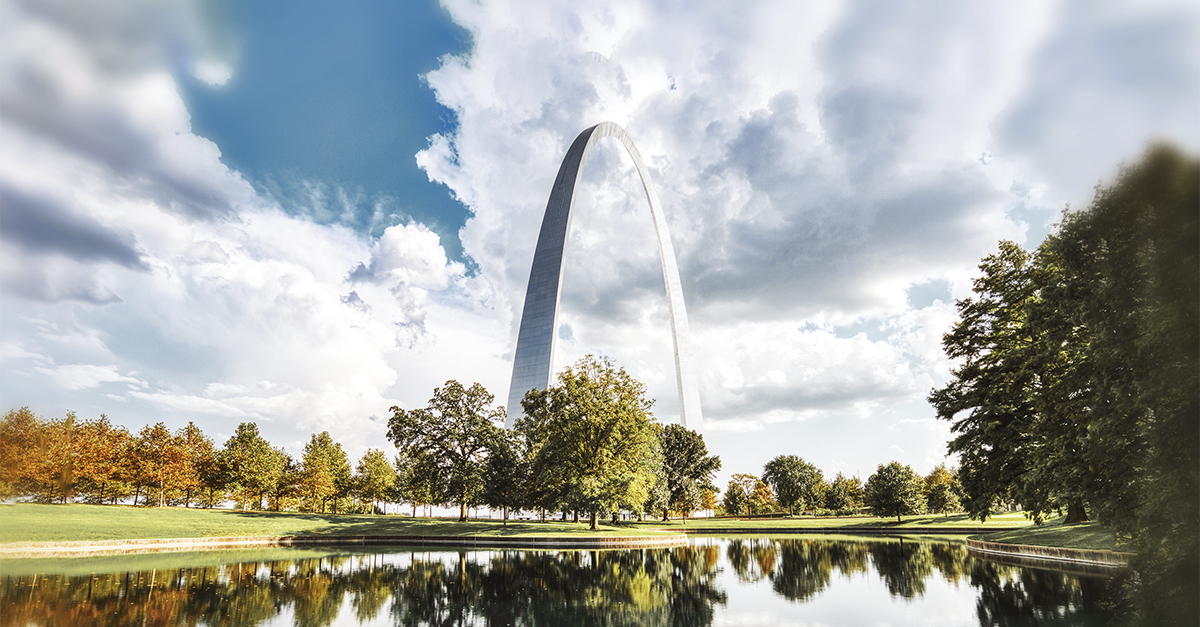
Along with being one of the newest additions to the country’s list of national parks, this is also the smallest. In fact, more than 11,000 Gateway Arch National Parks could fit inside Yellowstone. But where it lacks in size (only 193 acres), the park surely makes up for in height. Located in St. Louis, this park contains the tallest man-made monument in the United States — and its namesake — the Gateway Arch. Built as a tribute to westward expansion in the U.S., the Gateway Arch stands on the bank of the Mississippi River and is the crown jewel of the park, which also contains the Old Courthouse, famous as the location of the 1857 Dred Scott case, and a 140,000-square-foot museum.
Did you know? The Arch stands 630 feet tall and, as many St. Louisans can likely tell you, it is also 630 feet wide. You may think this sounds like a square, but we can assure you it is still an arch.
Dry Tortugas
Florida | established 1992
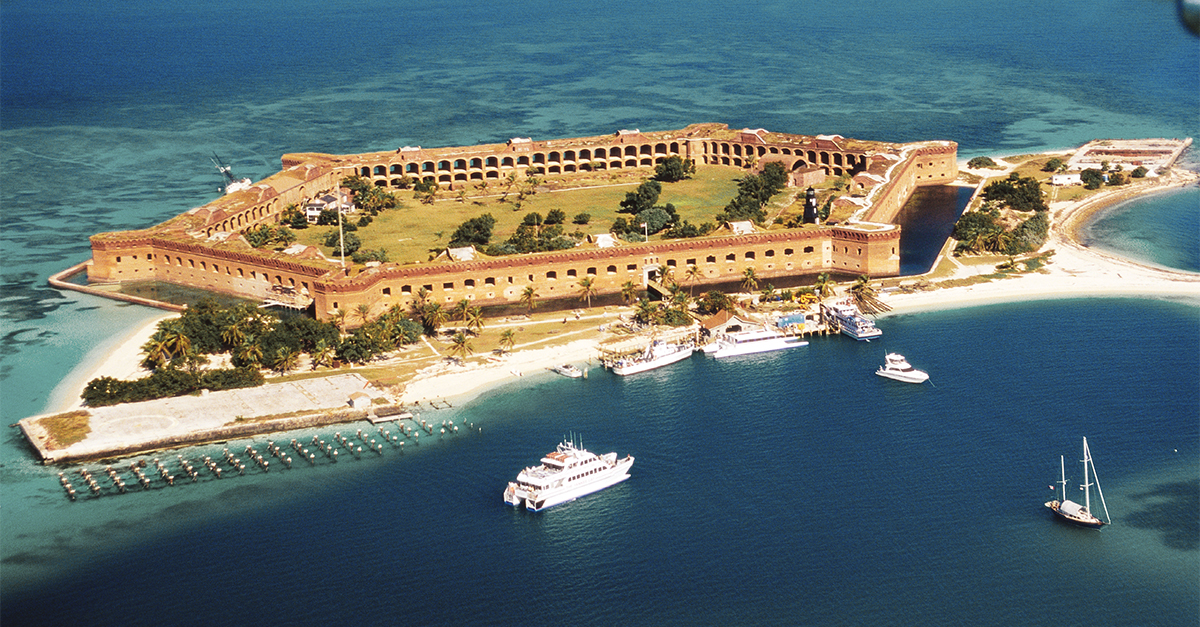
The next time you’re planning a getaway to the Florida Keys, consider adding this to your itinerary. Dry Tortugas National Park, the southernmost national park in the contiguous United States, is located just 70 miles west of Key West and can be reached by sea or air. Traveling by ferry costs $250 and includes numerous amenities, while seaplane excursions range from $500 for half-day trips to nearly $900 for full-day trips. The park and surrounding islands are known for their abundant sea life, numerous tropical bird species, and vibrant coral reefs, which are the least disturbed of the Florida Keys’ reefs. During your visit, be sure to set aside time for picnicking, birdwatching, scuba diving, kayaking, snorkeling, and — if you’re feeling particularly adventurous — camping.
Did you know? At the heart of the park is Fort Jefferson, the largest brick masonry structure in the Western Hemisphere. It is composed of more than 16 million bricks but remains unfinished.
Mammoth Cave
Kentucky | established 1941
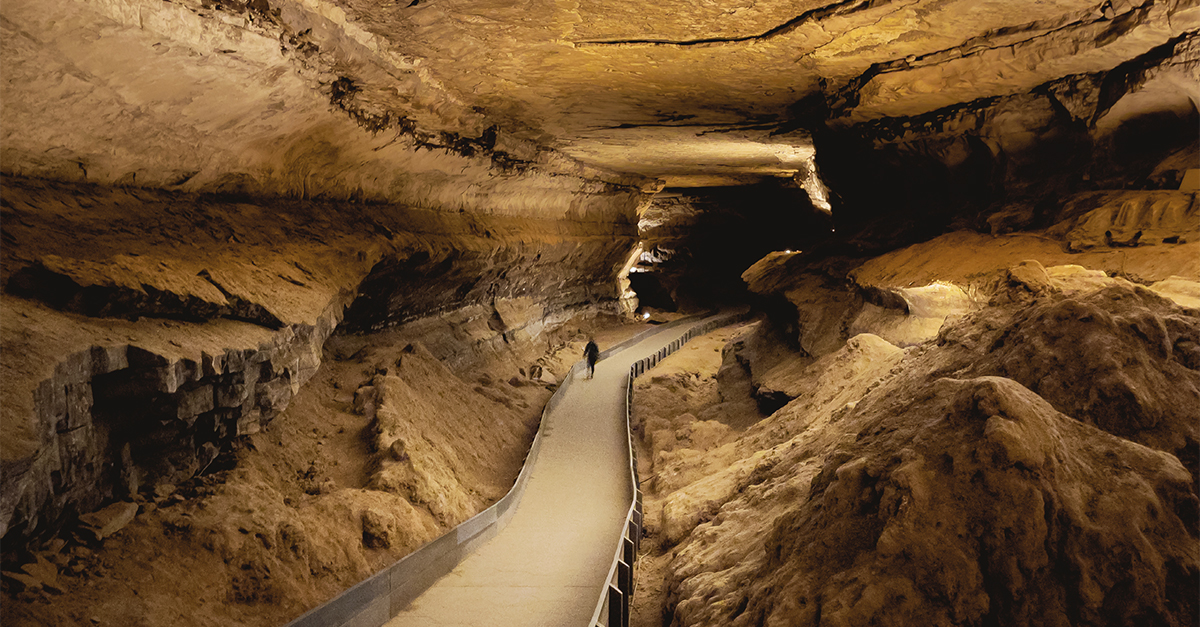
Who would’ve thought the world’s longest cave system could be found in central Kentucky? It’s true: just 90 miles south of Louisville, hidden under a national park established 85 years ago, lies a cave system containing more than 400 miles of surveyed passageways. To see as much as you can of the caves, we recommend any of the many tours. Ranging from one to six hours, these tours provide access to the system’s most notable features, from Frozen Niagara (a massive formation of stalactites and stalagmites) to Fat Man’s Misery (a narrow, 100-foot-long passageway). On these tours, you’re also likely to see some of the park’s wildlife, including crayfish, salamanders, millipedes, and cave crickets. Oh, and there are hundreds of thousands of bats within the cave system as well.
Did you know? Mammoth Cave National Park was named an International Dark Sky Park in 2021, meaning it is protected from light pollution. This allows the park to continuously have star-filled skies and encourages the preservation of dark skies through thoughtful outdoor lighting.
Petrified Forest
Arizona | established 1962
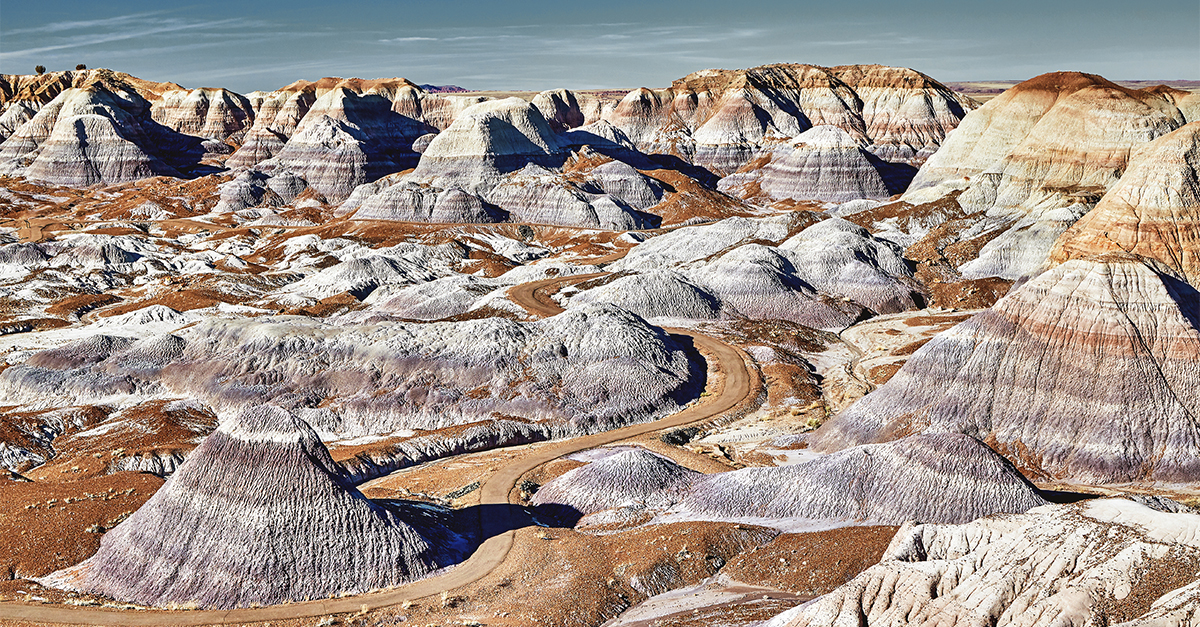
Located in the Navajo and Apache counties of the nation’s 48th state, Petrified Forest National Park sits about a mile above sea level and contains more than 400 plant species. The park is open every day of the year except Thanksgiving and Christmas, giving visitors ample opportunity to enjoy the hiking trails, sightseeing adventures, and nine sites listed on the National Register of Historic Places. Also, every Saturday from Memorial Day to Labor Day, artisans from the region gather at the Painted Desert Inn to give cultural demonstrations related to ancient peoples, intertribal relationships, and European-descent cultures. If you visit this park, don’t forget to set your watch to Mountain Standard Time, as Arizona doesn’t observe Daylight Saving Time.
Did you know? Petrified wood isn’t wood at all — it’s stone. The trees in this park fell about 225 million years ago and were then buried in wet sediment containing dissolved minerals. Because they were buried, the trees received no oxygen, allowing the minerals to replace the wood on a cellular level.
Theodore Roosevelt
North Dakota | established 1978
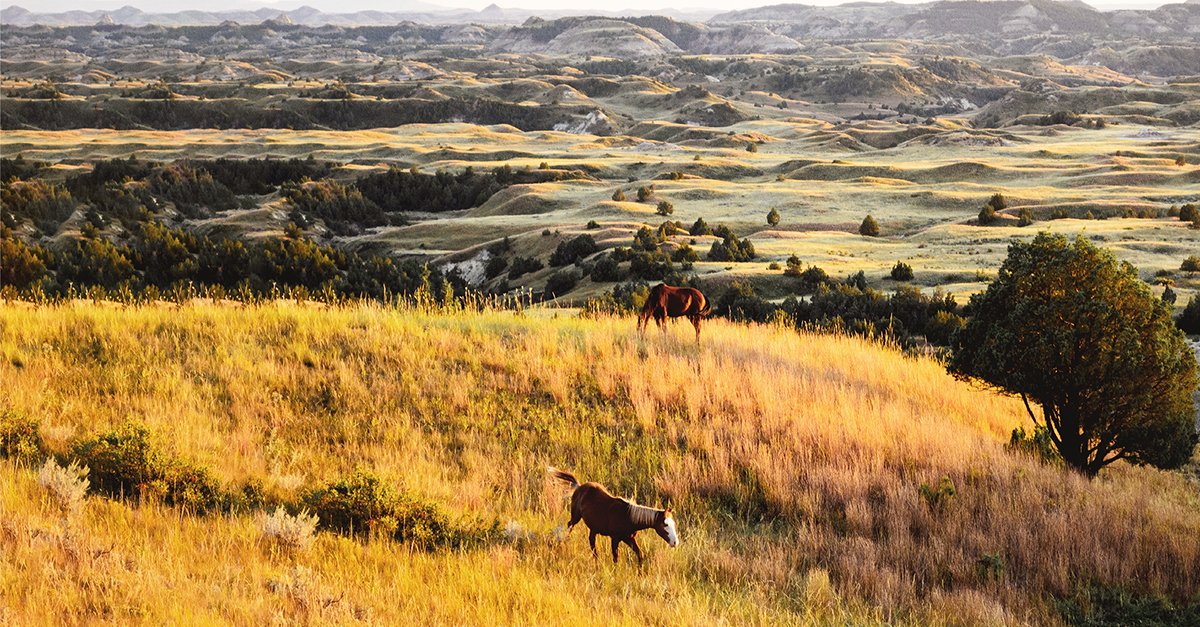
Named after the very president who established the United States Forest Service in 1905, Theodore Roosevelt National Park is known for its scenic drives, 100 miles of trails, wildlife viewing, and back country hiking and camping. Additionally, given that the park is surrounded by grasslands, it has very dark night skies and allows for excellent stargazing and the occasional viewing of the aurora borealis. Along with the overlook view from the Painted Canyon Visitor Center and a stop at Roosevelt’s Maltese Cross Cabin, many parkgoers will tell you to keep your eyes peeled for prairie dog “towns,” where you can see families of these critters communicating with barks and yelps.
Did you know? This is the only national park named after a single person. President Roosevelt spent considerable time in the surrounding area and in the Dakota Territories before they became states, and he then lived in the region after his mother and wife died, just hours apart, on February 14, 1884.
5 ways to visit U.S. National Parks for free in 2026
Free Entrance Days
Every year, there are a handful of dates set aside to grant all park-goers free entry into those parks that would otherwise typically charge a fee.
- February 16: President’s Day
- May 25: Memorial Day
- June 14: Flag Day
- July 3–5: Independence Day weekend
- August 25: 110th birthday of the National Park Service
- September 17: Constitution Day
- October 27: Theodore Roosevelt’s birthday
- November 11: Veterans Day
Military Service Members and Veterans
The Military Pass is just one part of the broader “America the Beautiful-The National Parks and Federal Recreational Lands Access Pass,” which grants free access to a large number of Americans and U.S. residents. Along with their dependents, all U.S. military service members and veterans can enter any national park for free. This also applies to Gold Star families, who have lost a loved one while serving in active duty. Entry simply requires a military ID.
Every Kid Outdoors
Created by President Obama in 2015, the “Every Kid Outdoors” program allows fourth-grade students and their family members to enter national parks for free. This is another arm of the “America the Beautiful” pass and is valid for an entire school year, from September 1 through August 31. It can be obtained on everykidoutdoors.gov.
Please note: The pass must be printed from the “Every Kid Outdoors” website, as parks do not accept digital versions. However, if you’re a fourth-grade teacher, you can print passes for each of your students.
Americans and U.S. Residents Living with Permanent Disabilities
U.S. citizens or residents with permanent disabilities are also eligible for free entry with the Access Pass, another series from the “America the Beautiful” pass. Though this doesn’t cost a dime, you will be required to show a valid photo ID and documentation of a permanent disability. The latter can be shown in the form of a statement by a local physician, a document issued by a federal agency (like Social Security Disability), or a document issued by a state agency.
The Volunteer Pass
Last but certainly not least is the Volunteer Pass, which is available to anyone who volunteers 250+ hours at any of the many federal recreation sites. Luckily, these sites constitute far more than the 63 national parks and have come to include the numerous lands overseen by the Bureau of Land Management, the USDA Forest Service, the Bureau of Reclamation, the Fish and Wildlife Service, or the U.S. Army Corps of Engineers. So as long as you’ve dedicated at least 250 hours to volunteer work or projects in these locations, you are eligible for the pass.
Back to Editor's Picks
